Layering Shades and Drapery Without Making a Westfield Window Look Cluttered
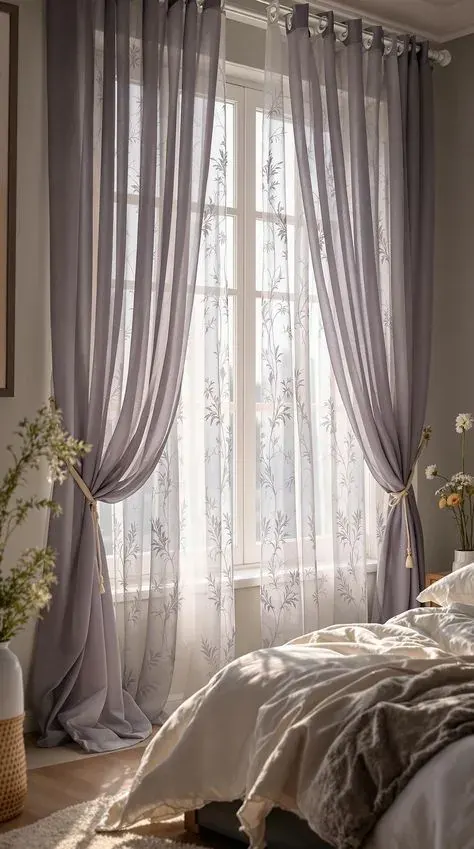
Adding drapery on top of a shade is an extra expense, and it's worth being clear about which rooms actually get more function out of it before spending on every window.
Why Pair a Shade With Drapery Instead of Choosing One
A shade alone handles light and privacy well but can look plain on its own, especially on a bigger window in a Westfield living room or dining room. Drapery alone looks finished but does a mediocre job controlling light unless it's kept closed most of the time, which defeats the point of having windows in the first place. Pairing them lets each layer do the job it's actually good at: the shade handles daily light control up close to the glass, and the drapery frames the window and adds softness, texture, and a bit of extra insulation when it's drawn.
It's not really an either/or decision most designers or installers would frame that way. A shade behind drapery is closer to how a well-appointed room has been finished for a long time, it's just that shades have gotten a lot more common as the primary daily-use layer instead of a second set of sheers.
Function Layers: Light Control, Privacy, and Room Darkening Together
A single shade trying to be both the everyday light filter and the nighttime blackout layer is a compromise, not a solution. It's either too heavy for daytime use or not dark enough at night. Splitting those jobs, a lighter shade for daily use, blackout-lined drapery for full darkness, solves both instead of settling for a middle ground that's mediocre at each.
This matters most in bedrooms and any room used for something like a home theater. Everywhere else in a Westfield house, it's a nice-to-have, not a necessity, and it's fine to say so instead of upselling a combination a room doesn't really need.
Matching Headrail and Rod Placement So Both Layers Work
Order of installation matters here. The shade's headrail, whether it's inside or outside mounted, needs to be set first, since the drapery rod's projection depends on clearing it. A standard drapery rod might sit 3 inches off the wall, but layered over a shade, that needs to grow to somewhere around 4.5 to 6 inches so the rings and panels don't catch on the shade's headrail every time they move.
Rod height and width are the other two numbers to get right. Mounting 4 to 6 inches above the frame, sometimes closer to the ceiling in a room with standard 8-foot ceilings, and extending the rod 4 to 6 inches past the opening on each side lets the panels stack fully clear of the glass. Skimp on either number and the drapery ends up covering part of the window even when it's supposedly open.
Fabric and Color Choices That Keep Layered Rooms From Looking Busy
Fabric choice affects the budget more than most homeowners expect going in. A simple solid shade paired with a mid-range drapery fabric keeps costs reasonable while still giving a Westfield room the layered look. Reaching for a patterned, heavier, or custom-dyed fabric on both layers at once adds up fast, and it's rarely necessary since one layer carrying the visual interest usually looks better than two competing for attention anyway.
Where it's worth spending more is lining. A quality blackout or thermal lining on the drapery adds real function, extra darkness, a bit of added insulation, for a moderate increase in cost, more value per dollar than upgrading to a fancier face fabric alone. It's the upgrade that gets used every single day rather than the one that only shows up in photos.
Common Mistakes That Make a Layered Window Look Off
In a living room, the most common issue is drapery that's sized for the window rather than the wall, which leaves the panels crowding the glass instead of stacking cleanly to the sides. It looks pinched in a room that otherwise has plenty of wall space to work with.
In a bedroom, the more common problem is length: panels that stop short of the floor read as unfinished, especially next to furniture that sits low, like a bed frame. A rod-to-floor measurement taken before ordering, not estimated, avoids both problems on any window in a Westfield house, whether it's a living room, a bedroom, or a dining room getting the same treatment.
Getting the measurements right the first time avoids most of the common mistakes, and a free in-home measure is a straightforward way to make sure the rod, the shade, and the drapery all actually line up.
Frequently Asked Questions
What's the most common mistake people make when layering?
Undersizing the drapery rod. A rod cut close to the width of the window leaves the panels with nowhere to stack when they're open, so they end up permanently covering part of the glass. Sizing the rod to the wall rather than the window avoids this from the start.
Do I need a professional to install a layered window treatment?
It's not required, but the measurements matter more than they do for a single treatment, since the rod's projection has to clear the shade's headrail and the height and width both affect how well the panels stack. Getting those numbers wrong is a common, avoidable source of frustration.
Is layering worth it in a room I don't spend much time in?
Usually not. The extra cost and installation make the most sense in rooms used daily, where the flexibility of two layers actually gets used. A guest room or a rarely used office is often fine with a single, well-chosen shade instead.
 Blind Repair in Westfield: What Actually Breaks and Why
 Do You Need Blackout, or Will Room Darkening Get the Job Done
 Do Your Westfield Windows Need Inside Mount or Outside Mount Blinds?