Blind Repair in Westfield: What Actually Breaks and Why
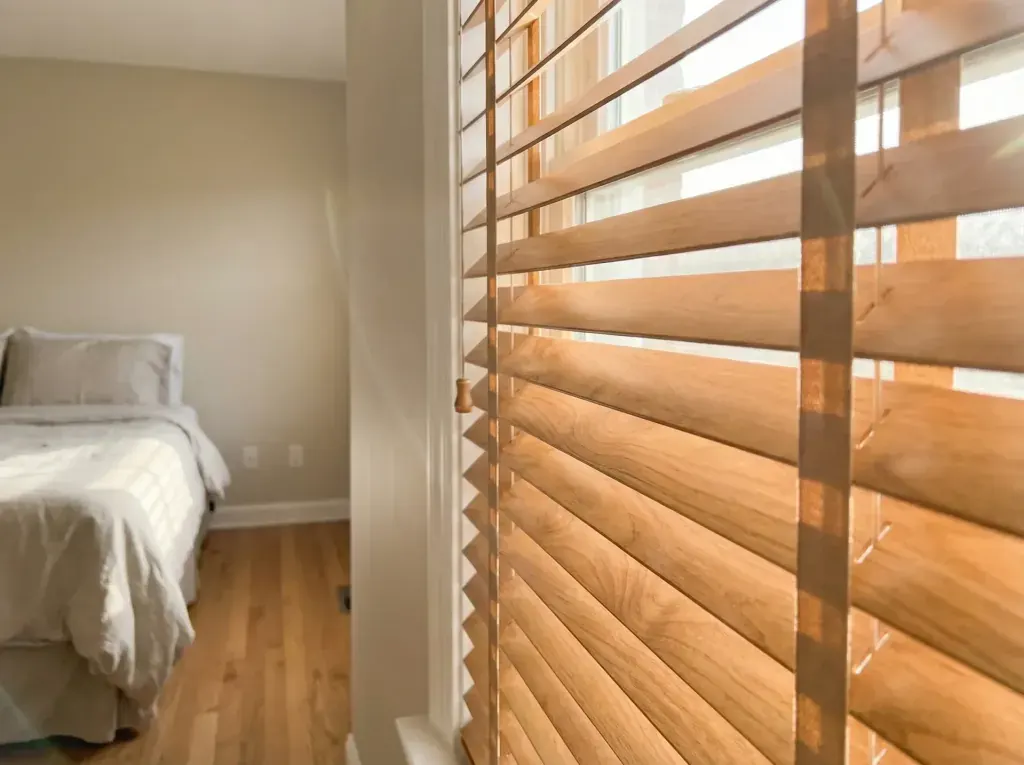
There's a version of a shade repair that works and a version that's finished, and homeowners can usually feel the difference without naming it. The bottom rail sits level. The light gaps match. The shade runs top to bottom with one hand. Here's the checklist behind that, on any Westfield blind or shade.
Blinds and shades fail one part at a time
A horizontal blind isn't one object, it's an assembly: headrail, cord lock, tilt gear, lift cords, ladder strings, slats, bottom rail. When something quits, one of those parts failed and the rest are fine. Replacing the whole blind over a stripped gear is like replacing a lamp because the switch wore out.
Name the symptom before you order anything. Won't hold height, won't come down, wand spins loose, one side rides high, these each point at a different part, and in Westfield that part is almost always still available. Roller shades and shutters fail the same way, just with a clutch or hinges instead of a tilt gear.
When repair beats replacement, and when it doesn't
Custom coverings measured and installed run roughly $250 to $2,600 a window nationally, stock roughly $60 to $600. Repairs, cord locks, gears, restrings, cost a fraction of either while the rest of a good unit stays in place. That math makes repair the sensible default on any single failure, Westfield house built last year or forty years back.
- Sun-damaged fabric gone brittle. A better fabric choice slows fading, but it won't stop it. A tear at a fold can't be fixed.
- A discontinued line, out of matching hardware.
- Small kids with corded blinds still up. ANSI/WCMA A100.1-2022 is the standard behind the whole industry's shift to cordless.
- A blind that never fit its opening correctly.
- A unit on its third repair. That's told you it's done.
Parts availability is the quiet decider behind most of this. Cord locks, wands, gears, and lift cord are easy to source. Clutches tie to tube diameter and load rating. Motors are proprietary, a discontinued generation means a new tube, not a part. Old order paperwork, a product line and color code, saves real time, and dye lots mean a 2008 white won't match one bought two years back, so a marginal repair sometimes keeps a room honest instead.
Clutches and cordless lift systems
A clutch holds a roller or cellular shade wherever you leave it, releasing when you pull the chain. Worn, the chain slips and the shade creeps lower each cycle, or jumps the sprocket and locks up. Usual culprits: a shade heavier than its clutch class (a spec issue, not a flaw), or a chain tensioner never fastened to the wall.
Cordless shades lift on a spring motor instead, tensioned to counter the fabric's weight. That tension fades over years, and a shade that held perfectly starts drifting down. Calls for a tension reset or a new spring cartridge, not a replacement.
A silent motorized shade deserves a process. Battery first, a wand commonly runs about a year and hardly anyone in Westfield tracks install date. Limits second, a motor stopping in the wrong place lost its range, not its motor. Pairing third, remotes lose their link after a power blip more than motors fail. Real failure means pulling the motor and resetting limits.
Cords and tilt mechanisms
Start with cords and ladders, since they fail most. Wear shows at the lock and at each slat hole: a blind out of square or a cord gone thick and fuzzy. A single slat drooping is a separate issue, a snapped ladder rung, not the cord. A full break stops the blind from raising at all. Restringing replaces the run slat by slat, with new ladder tape on wood blinds in the same visit.
One small part decides whether a blind holds height, the cord lock, a toothed pin in the headrail. Wear it, or feed it a fat cord, and gravity wins, or it jams shut instead. A short job either way, old lock out, new one seated.
Tilt gears fail from cranking the wand past the slats' stop, which strips the nylon teeth. Afterward the wand spins loosely with a faint click and nothing moves, by far the most common wood blind failure in Westfield houses. Swap the gear, the rod too if it's rounded off.
What a finished repair should look like
A finished job checks off a list, not just looks nice from across the room. Bottom rail level, headrail level in its brackets, light gaps matching side to side, full travel with no stall, one hand to lift it. Room to room, the hardware should read as one decision, same rail lines, same wand length and side.
Plenty of what gets blamed on a shade is a mounting problem. A bracket anchored into bare drywall loosens and tips the headrail within months. A roller tube even slightly out of level walks its fabric toward one end every cycle, which people call a broken shade when it's really a crooked bracket. What separates a good job from an average one in Westfield is usually the last ten minutes, not the install itself. Tensioners get fastened where they belong, and someone walks the homeowner through tilt travel. Then the site gets left clean.
Most repair calls in Westfield turn out to be one small part, not a dead shade, and the trick is figuring out which part before anything gets ordered. Westfield Window Treatments diagnoses first and quotes second, in writing, so you know what you're paying for before we open a headrail. We're insured and bonded. Call (317) 863-9966 to describe what your blind or shade is doing.
Frequently Asked Questions
Is it worth repairing a blind, or should I just buy a new one?
On a single failed part, repair is usually the better value. A cord lock, a tilt gear, a wand, or a restring costs a small fraction of a new unit, and everything else in the blind is still working. The decision flips when the fabric has faded and gone brittle, when parts for a discontinued line are gone, when the covering never fit the opening properly, or when you've already repaired the same unit twice. The blunt test is whether the thing would be worth keeping if it worked perfectly today.
My wood blind wand spins and the slats don't move. What's that?
That's a stripped tilt gear, the most common wood blind failure there is. The wand drives a small worm gear in the headrail that turns a tilt rod along the length of the blind. Keep turning after the slats hit their stop and the nylon teeth shear off. You'll usually hear a faint clicking as the wand spins loose. The gear pulls out and a new one drops in, sometimes with a new tilt rod if that's rounded off too.
Can a blind be restrung, or is that a throwaway situation?
It can almost always be restrung. Lift cords wear where they bend, at the cord lock and where they pass through the holes in each slat, and eventually one frays or snaps. Restringing pulls the entire cord path and runs fresh cord through every slat and back through the headrail. It's patient work, not difficult work. On wood and faux wood blinds the ladder strings often get replaced at the same time, since a broken rung is what drops one slat lower than the rest.
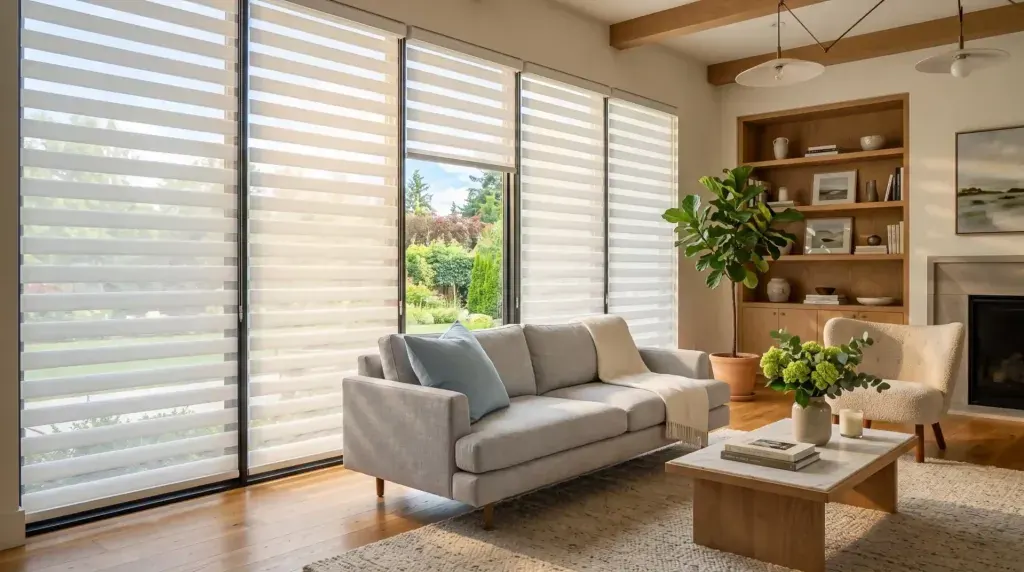 Do You Need Blackout, or Will Room Darkening Get the Job Done
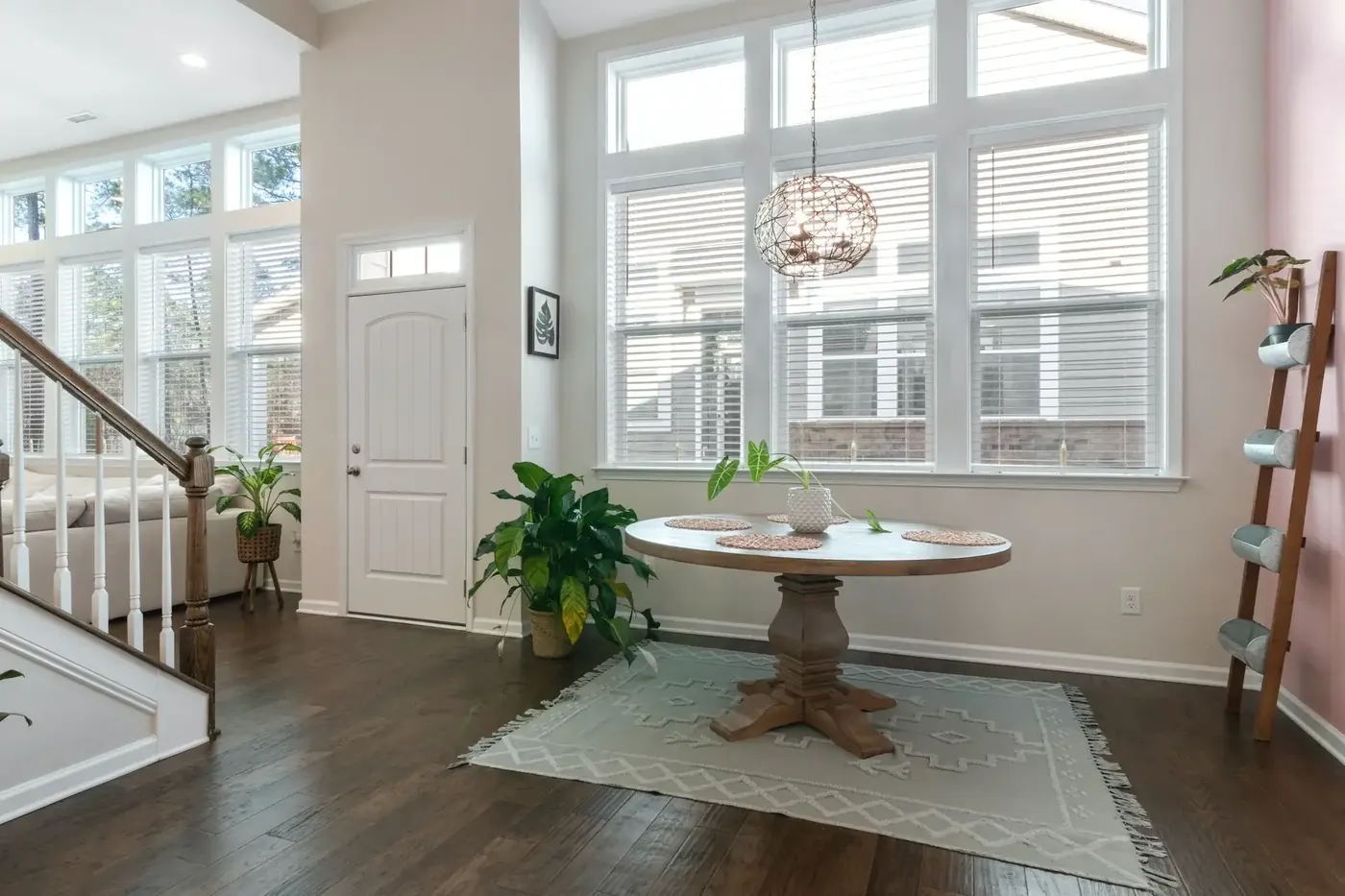 Do Your Westfield Windows Need Inside Mount or Outside Mount Blinds?
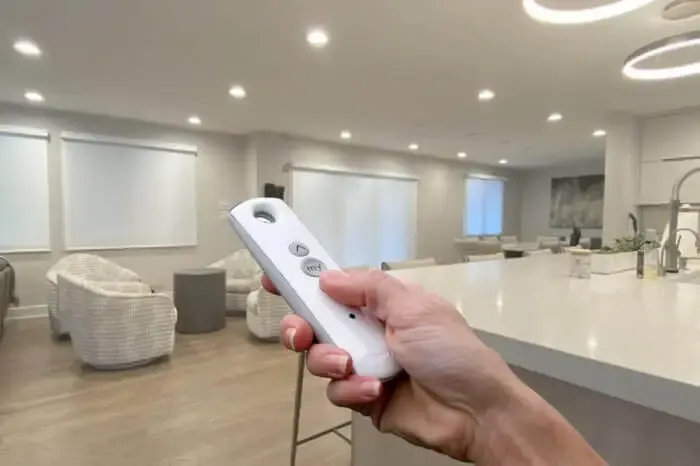 Battery or Hardwired: Powering Smart Shades in Westfield