What Roller and Solar Shades Cost in Westfield Homes Today
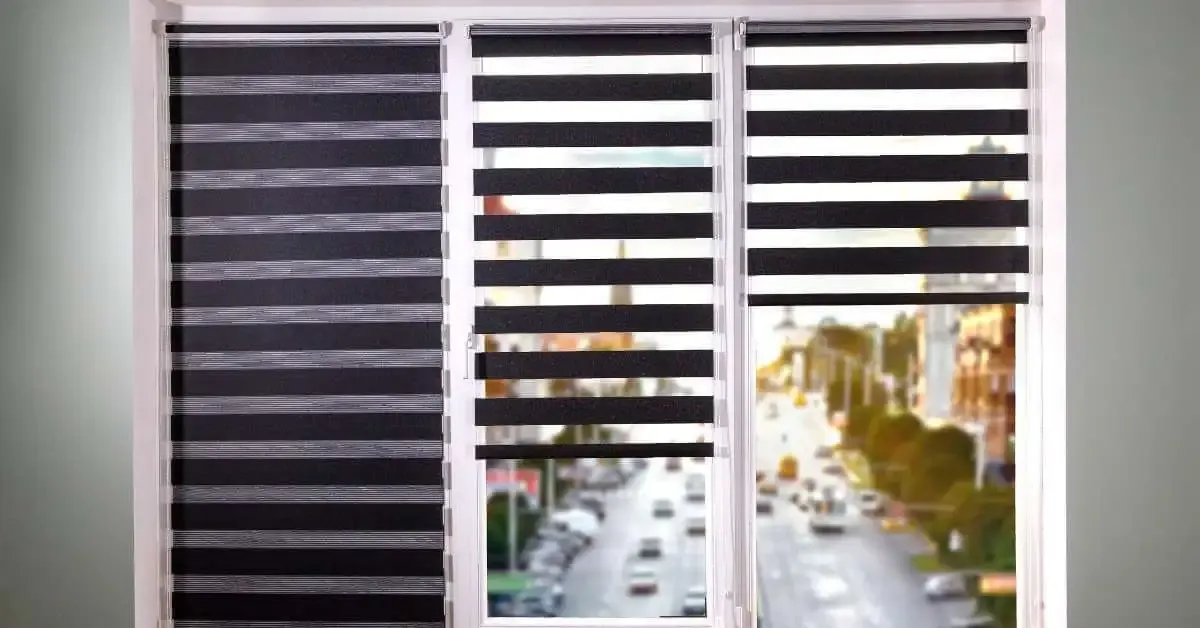
Roller shade quotes are hard to compare because the product hides its cost. From six feet away, the cheap one and the expensive one are both a flat rectangle of fabric. The difference sits in the tube, the fabric grade, the way the roll is covered and the lift. Here is what each of those adds in national terms, and which upgrades actually earn their place in a Westfield home.
Why two roller shades on the same window price so differently
Roller shades hide their cost drivers better than any other window covering, because from six feet away a cheap one and an expensive one look like the same flat rectangle. Here is where the money actually goes.
- Fabric. A basic vinyl coated screen is the floor. Better solar screens and decorative weaves cost more, and coated blackout cloth costs more again. Designer fabric collections cost a lot more, and some of that is name.
- Width and tube size. Wider shades need a bigger tube to stay straight without deflecting. That tube, and the heavier brackets that carry it, step the price up at certain widths.
- Roll treatment. Exposed roll is the base. A fascia costs more. A full cassette costs the most and is what you need for a light blocking pocket.
- Side channels. These are priced per shade and they are not cheap. They are also the only way to get a truly dark inside mounted window.
- Lift. A bead chain clutch is the base price. Cordless spring costs more and behaves worse on very large shades. A motor is the biggest line on the quote.
- Hembar. An exposed aluminum bar is standard. A sealed hem or a fabric wrapped bar costs a little more and looks better on a shade you sit next to.
Where to spend and where not to
The free decision is the most important one
Choosing a darker screen fabric over a pale one costs nothing and does more for glare and view than any upgrade on the list. Make that call carefully before you start adding hardware.
Spend on fascia in the rooms you sit in
On a wall of windows you look at daily, a continuous fascia lines everything up and hides the fact that shades never roll to the same diameter. In a laundry room, an exposed roll is fine and nobody will ever mention it.
Spend on channels only where darkness is the point
Side channels are the right answer in a nursery, a media room or a bedroom for somebody who works nights. They are an expensive way to solve a problem you do not have in a den. Blackout fabric without channels still leaves light at the edges, so if you are not going to buy the channels, do not pay the blackout upcharge expecting a dark room.
Spend on motors where reach or scale demands it
Tall stair windows, a bank of shades you want moving together, anything above a deep counter, anything behind furniture. Battery motors run roughly $100 to $300 a window less than hardwired ones and go in without opening a wall. Batteries want attention about once a year, and that is the cost people leave out of the plan.
Insist on a specific quote
A piece of paper that says roller shade and a price is not a quote. It should name the fabric, the openness factor if it is a screen, the roll direction and the mount type. Vague paperwork is how people in Westfield end up with a shade nobody actually chose.
Reading two quotes side by side
Bids in Westfield and IN communities rarely use the same vocabulary, which is how people end up comparing nothing at all. Ask each company for six specifics: fabric name, openness factor if it is a screen, roll direction, roll treatment, lift type, and mount type with the deduction. Then ask for lead time. Custom fabrication normally takes two to five weeks. A promise of next week means stock sizes.
Ask about coverage too. We are insured and insured, and any company putting installers in your house should answer that question without hesitating. Ask who measures, and whether that person carries the cost of a wrong number.
Get four things right and a roller shade is hard to beat: the fabric, the roll direction, the way the top is covered, and a level install. Everything else is preference. Westfield Window Treatments measures in the home and tells you what the light gap will actually be before you order. Call (317) 863-9966 to book a measure for your Westfield windows.
The costs that show up later
- Batteries on motorized shades, as a recurring item rather than a one time purchase.
- Dye lots. Fabric runs vary, so shades ordered next year may not match the ones you buy now. Order a room at once when you can.
- Service calls for telescoping fabric on shades that were installed out of level.
- Cord tensioners on any bead chain, which must be fastened to the wall or frame and left in place.
- Taking shades down and rehanging them when the room is painted.
Stock versus custom
Stock roller shades run roughly $60 to $600 a window nationally. They come in set widths, and a shade that is an inch narrow leaves you an inch of daylight you cannot get back. For a basement, a garage or a room you plan to redo, they are perfectly reasonable.
Custom shades, measured in the home and installed, run roughly $250 to $2,600 a window nationally. What that money buys is a shade built to the real numbers of the opening, a fabric range that is not four choices, brackets set level so the fabric does not telescope, and somebody responsible for the outcome. On an out of square opening, custom is the only version that will look deliberate.
No article can price your house, including this one. The number turns on your window count and your sizes, so anything printed here would be wrong for a Westfield home. Ask for a per window written quote and comparison gets simple.
Frequently Asked Questions
What does openness factor mean on a solar shade?
It is the percentage of open space in the weave. A 1 percent fabric is tightly woven and cuts the most glare while showing the least view. A 10 percent fabric keeps much more of the view and lets more light through. Color matters as much as the number, since a dark fabric gives a sharper view out and better glare control, while a pale one reflects more heat but scatters light and hazes the view. Most living rooms land at 3 or 5 percent.
Will a solar shade give me privacy at night?
No. Solar screens work on a light difference, not on opacity. During the day the outdoors is far brighter, so you see out and nobody sees in. Once it is dark and your lamps are on, the bright side is inside and the effect reverses. A person outside can see through the weave, and higher openness numbers show more. For nighttime privacy use a room darkening fabric, a blackout shade, or drapery you close after dark.
Why is there a light gap on my inside mount roller shade?
Because the fabric has to move without touching the frame. The factory takes a small deduction, commonly about a sixteenth of an inch per side, and bracket geometry adds more, so the visible gap on a roller system often runs near three quarters of an inch per side. Shades taller than about 120 inches, or shades much taller than they are wide, get larger gaps. The only real fixes are an outside mount with overlap or side channels.
Is blackout fabric enough to make a room dark?
By itself, no. Blackout fabric stops light through the cloth but not around it, so an inside mount still leaks down both sides and at the top where the fabric comes off the tube. The sill is the third leak. A dark room is a system: blackout fabric, side channels on the frame, a cassette or light-blocking pocket at the top, and a close fit at the bottom. If you are not buying the channels, do not expect blackout fabric alone to do the job.
 When Stock Blinds Are the Right Call in a Westfield Home
 Cellular Shades in Westfield: Single Cell or Double Cell
 A Room by Room Window Treatment Guide for Westfield Homes